
Interior Designer Dubbo: Is Hiring One Worth It When Building a New Home?
Building a new home is one of the biggest financial and emotional investments you'll ever make. Between choosing a builder, finalising floor plans, selecting materials and managing your budget, it's easy to feel overwhelmed.
One question many homeowners ask is:
"Do I really need an interior designer, or can I do it myself?"
The answer depends on your confidence, the complexity of your build and how important it is to create a home that feels cohesive, functional and timeless.
As an interior designer based in Dubbo, NSW, I've worked with many clients who started their building journey believing they could make all the decisions themselves—only to realise just how many choices are involved.
Here's what an interior designer actually does during a new build, and why many homeowners consider it one of the best investments they make.
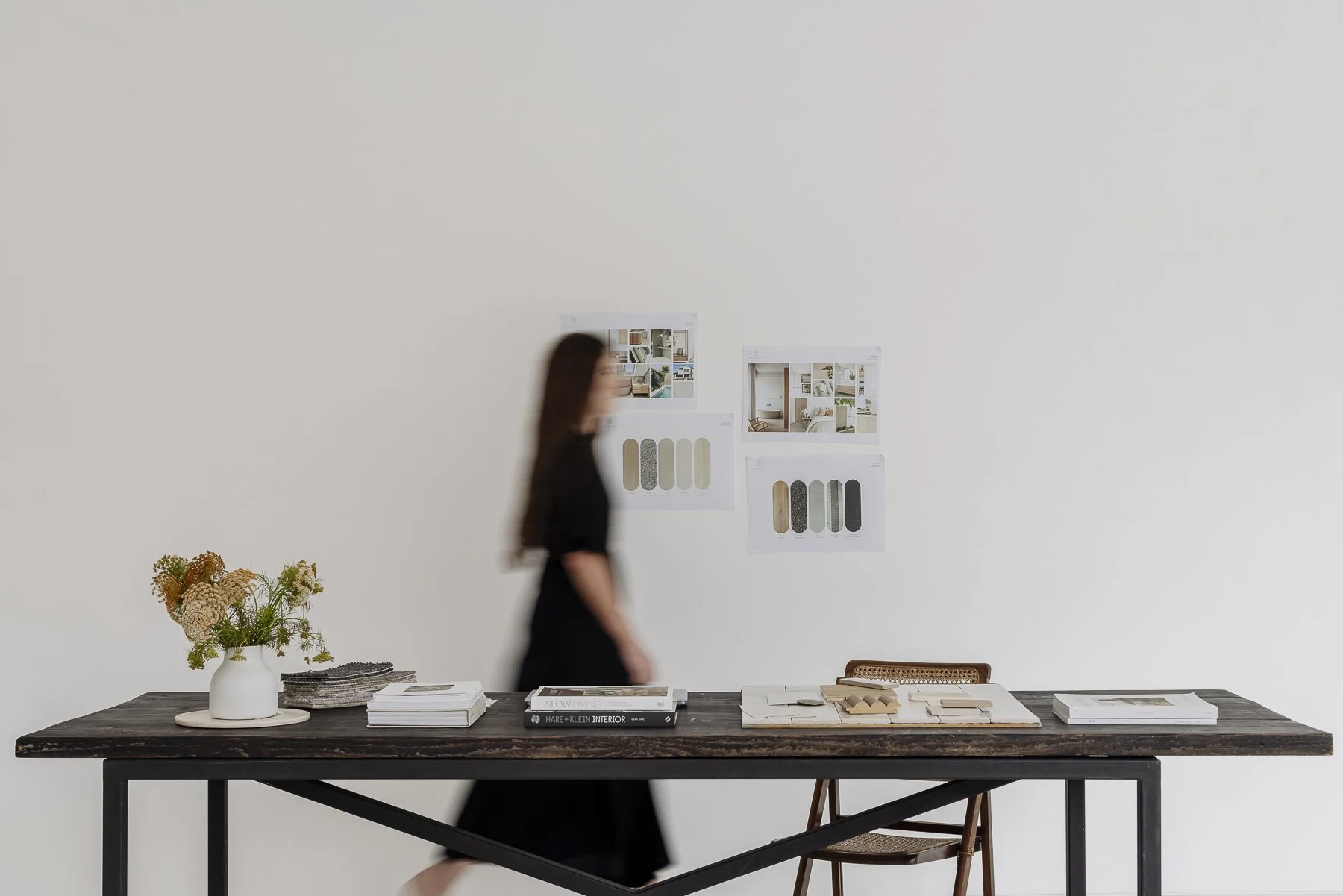
What Does an Interior Designer Do During a New Build?
Many people think an interior designer simply helps choose paint colours or cushions once the house is finished.
In reality, most of the important design decisions happen long before construction is complete.
An interior designer can help you:
Develop a cohesive design direction before selections begin
Select flooring, tiles, cabinetry, benchtops, paint colours and tapware
Design practical kitchens, laundries and custom joinery
Improve the functionality of your floor plan before construction starts
Recommend fixtures and finishes that suit your lifestyle
Ensure every selection works together as one cohesive design
Help you avoid costly variations and changes during construction
Rather than making hundreds of individual decisions, you're creating one complete vision for your home.
What Your Builder Helps With—And What They Don't
Builders play an essential role in bringing your home to life. They'll guide you through the construction process and explain the products included in your contract.
However, their role is very different from that of an interior designer.
Your builder will typically help with:
Explaining standard inclusions and upgrade options
Managing construction timelines
Coordinating trades
Ensuring the home is built according to the approved plans
An interior designer focuses on how your home will look, feel and function once you move in.
That means considering things like:
How natural light affects colour choices
Creating flow between rooms
Selecting finishes that complement each other
Choosing materials that suit your lifestyle
Ensuring your home reflects your personal style—not just current trends
The two roles work together to create a better outcome.
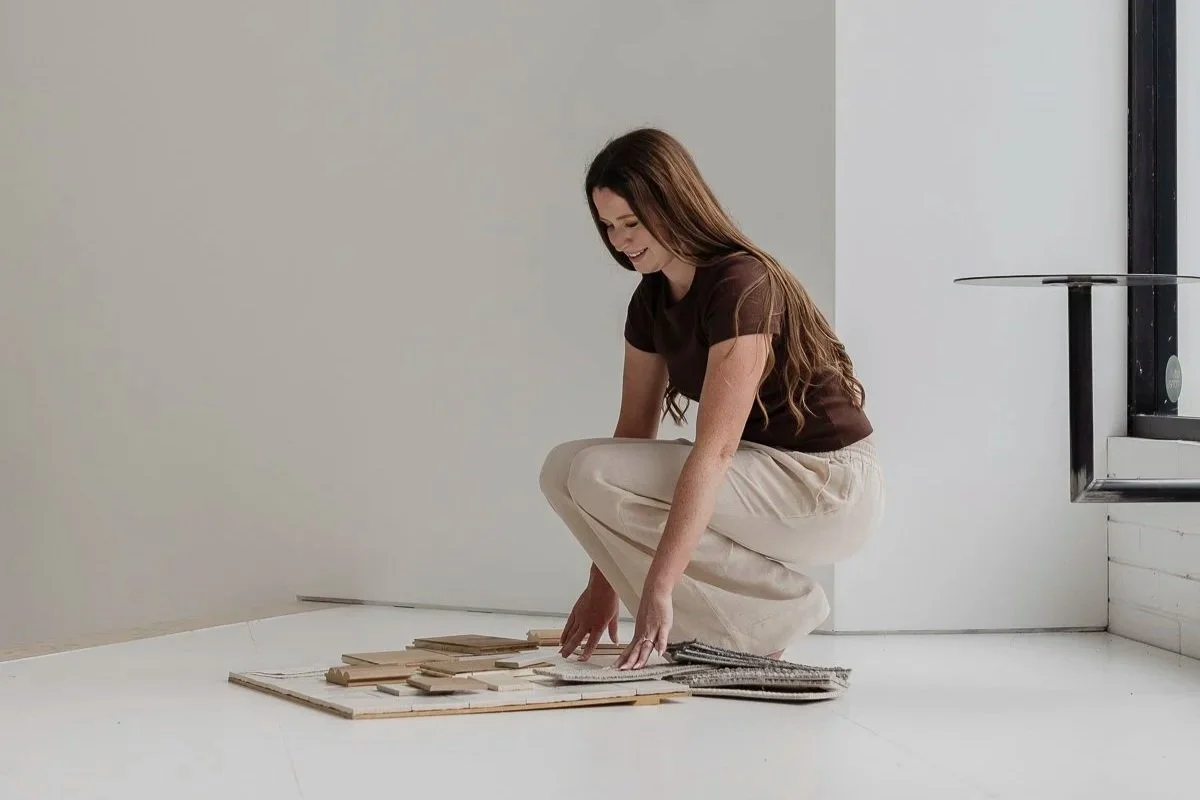
Common Mistakes I See During New Builds
Over the years, I've noticed the same challenges come up time and time again.
1. Choosing Every Finish Individually
It's easy to fall in love with a beautiful tile, tapware or benchtop on its own.
The challenge is making sure everything works together throughout the entire home.
Without an overall design plan, it's common to end up with finishes that compete rather than complement each other.
2. Making Decisions Under Pressure
Selections appointments often involve making dozens of decisions in a single day.
Without preparation, many homeowners start second-guessing themselves or choosing products simply because they're overwhelmed.
If you haven't already, you might also find our guide on How to Prepare for Your Colour Selections helpful before your appointments.
3. Costly Changes During Construction
Changing tiles, cabinetry layouts, electrical locations or plumbing after construction has started can quickly add thousands of dollars to your build.
Planning these details early is almost always more cost-effective than changing them later.
Can Hiring an Interior Designer Actually Save You Money?
Many people assume hiring an interior designer is simply another expense.
In reality, good planning often helps prevent far more expensive mistakes.
A designer can help you:
Avoid paying for unnecessary upgrades
Prioritise where your budget will have the biggest impact
Prevent costly variations during construction
Select timeless finishes that won't date quickly
Make confident decisions the first time
Rather than spending more, many homeowners simply spend their budget more wisely.
When Should You Engage an Interior Designer?
Earlier than most people think.
The best time is after you've chosen your builder and floor plan—but before your selections appointments are booked.
This allows enough time to:
Develop a design direction
Review your plans
Make layout improvements where possible
Prepare selections in advance
Enter your appointments feeling confident rather than overwhelmed
Leaving design until after construction begins often limits your options and can lead to unnecessary changes.
Who Benefits Most from Hiring an Interior Designer?
You don't need to be building a luxury home to benefit from professional design advice.
Interior design is particularly valuable if you:
Are building your forever home
Feel overwhelmed by the number of decisions
Want a timeless home rather than following trends
Have a busy lifestyle and limited time for research
Want confidence that your selections will work together
Want to avoid expensive mistakes during construction
Building with Confidence
Building a home should be an exciting experience—not one filled with uncertainty and second-guessing.
Whether you're building a custom home or a project home, having a clear design plan before making selections can make the entire process more enjoyable and help you achieve a home you'll love for years to come.
If you're planning a new build in Dubbo or the surrounding Central West, professional design guidance can simplify the process, help you make confident decisions and ensure your new home feels cohesive from the moment you walk through the front door.